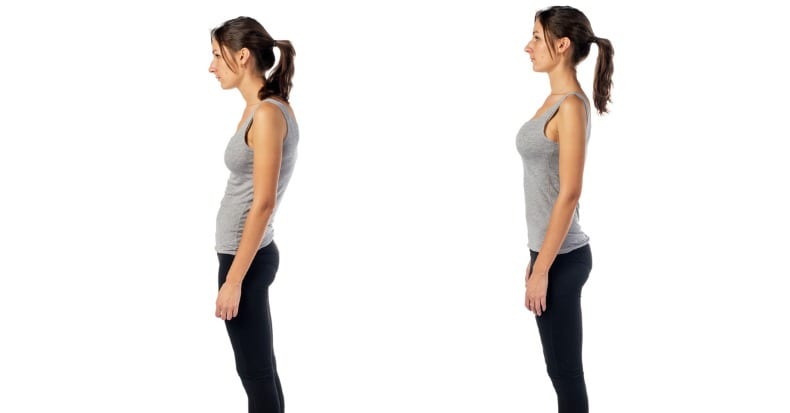

Chiropractic was founded in 1895 after a spinal adjustment to the upper region of the spine reportedly restored a man’s hearing.
Since that time, the profession has continued to study why spinal adjustments work and how posture, alignment, and spinal curves may affect overall health.
Researchers have studied many different responses to spinal manipulation, including changes in circulation, blood pressure, blood chemistry, hormone levels, posture, and muscle function.
One question that continues to receive attention is this:
How important are the normal curves of the spine?
Can changes in those curves contribute to pain or other health problems?
One major review examined 54 separate studies published between 1942 and 2008. Together, these studies involved more than 20,000 patients.
The review looked at the normal side-view curves of the:
- cervical spine (neck)
- thoracic spine (mid back)
- lumbar spine (low back)
Researchers used a variety of methods to study these curves, including x-rays, MRI, photographs, visual analysis, and specialized measuring devices.
The strongest findings involved the thoracic spine, or mid back.
An excessive forward curve in the thoracic spine—known as kyphosis or “humpback” posture—was strongly associated with:
- breathing problems and reduced lung function
- poor physical function
- pelvic organ prolapse
- increased risk of spinal compression fractures
Other studies also found moderate associations between excessive thoracic curvature and difficulty performing household activities, uterine prolapse, and even increased mortality.
Researchers also found that a reduction in the normal curve of the low back, called lumbar lordosis, was moderately associated with an increase in low back pain.
These findings suggest that posture and spinal curves are not simply cosmetic. They may have a real impact on how the body functions.
This is one reason chiropractors pay close attention to posture, spinal alignment, and movement during an examination.
Through spinal adjustments, posture retraining, stretching, strengthening, and other corrective exercises, it may be possible to improve spinal function and reduce some of the stresses associated with abnormal posture.